
Hey lovely readers, today I wanted to discuss one of my theories. Life is a complex web of experiences, circumstances, and influences that shape each individual in unique ways so I believe it’s important to consider the bigger picture before assigning blame.
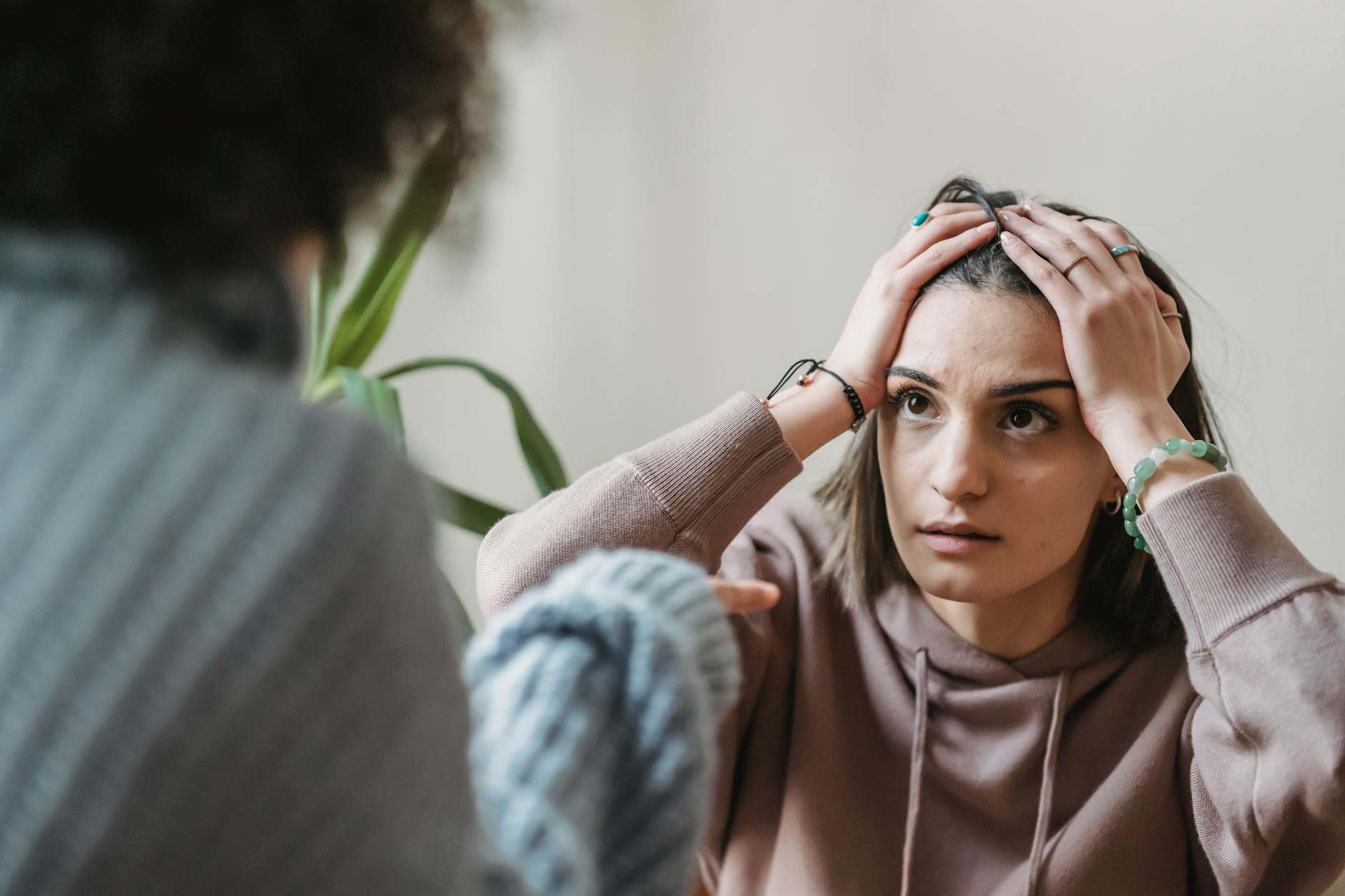
People are often a product of how they were raised. Whether they were brought up in a positive, motivating environment or a demoralising, self destructive one, people are shaped from an early age. We tend to respond to the actions of others in the ways we believe is best. Not necessarily best for us, but maybe best for what we believe in. People’s responses to the actions of others may be a result of how they feel internally. Not everybody has a clear definition of what’s wrong and what’s right because in life, it is often a matter of opinion.
Our actions stem from a multitude of factors, and it’s essential to remember that people are not defined by their mistakes. It’s up to us to empathize and understand why they really made those choices in the first place. Similarly, we can also reflect on the reasons behind our own reactions.
According to a study from the University of Edinburgh; ‘Childhood experiences such as poverty, maltreatment, school exclusion and police contact are associated with serious offending and frequent criminal convictions in adulthood.’
This shows a correlation between a lack of a healthy upbringing or an unhealthy environment and an increased likelihood of crime. These experiences can significantly influence behavior, perspectives, and opinions, whether positively or negatively. The impact is undeniable.
However, I’m not just talking about blame criminally, I’m referencing every day life and the behaviour of people within all of their relationships. Neglection, abandonment, mistreatment and emotional unavailability may all be stems to particularly worrying adolescent behaviour. Such as; insecurity, lack of self belief, jealously and further mental health issues which are projected onto the relationships with yourself and with other people.

Sometimes, what may seem like a ‘perfect’ upbringing on the surface can have unexpected consequences. Here, the question of blame becomes complex. Should we hold the children responsible, or should we look at the parents? However, it’s important to recognize that the parents’ behaviour is often influenced by their own life experiences and childhood.
Their parenting techniques may be shaped by how they were raised. If they had a challenging upbringing, their approach might differ as a result. Ultimately, everybody has their reasons. Each response, good or bad, is heavily influenced by life outside of your mindset as this may be formed of what you’ve experienced.
You may refer to someone who has donated thousands of pounds to charity as a ‘better’ person than someone who chose to spend all of that money on alcohol – but then maybe Person 1 had a healthier and happier upbringing and hadn’t faced traumatic experiences in their life that led Person 2 to alcohol. Either way, there is always a deeper reason to your actions. You aren’t born evil. You learn, you acknowledge, you discover, and then you make choices.
According to Master Class Magazine, selfishness in adults stems from ‘behavior learned during childhood development from family members’ and that ‘Growing up in a home where caretakers did not model the skills required to develop healthy relationships with others can also lead to selfishness’. Who do you blame here?
I can understand the urge to blame people who have hurt you, but more often than not, somewhere along the line, they have been hurt themselves. Maybe putting themselves first was more necessary at this time. They will face consequences from their actions eventually in their life that will teach them a whole lot of wisdom.
So really think about this mindset: people’s actions are often a reflection of their past experiences. They may be carrying pain or hurt themselves. By choosing to be the bigger person and rise above, we can make a positive impact. Remember, in the end, people will learn and grow from their experiences.
 Mindfulistic
Leave a comment